
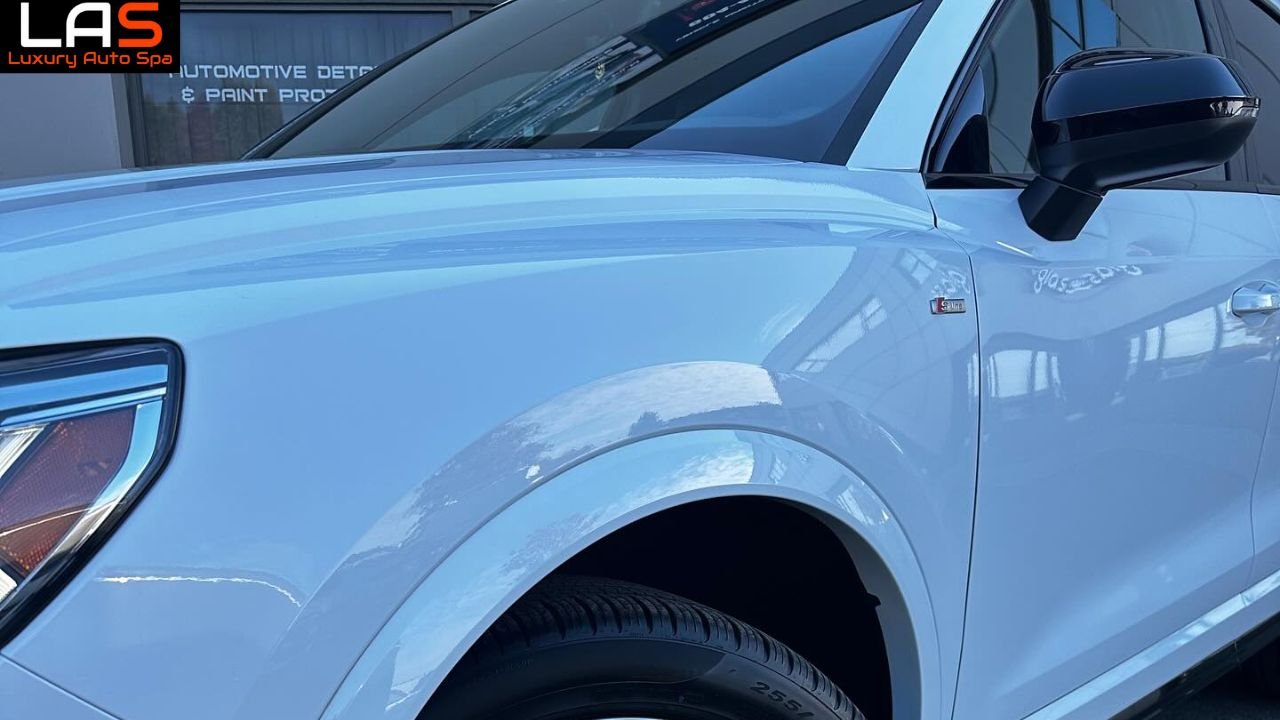
Paint protection film (PPF) is an excellent way to keep your car’s paint looking fresh and protected from the elements. However, achieving a flawless, bubble-free application requires skill and technique. Bubbles trapped under the film can ruin the appearance and effectiveness of the protection.
What is PPF and Why is It Important?
Paint protection film (PPF) is a clear, durable layer of film applied to a vehicle’s painted surfaces to protect them from scratches, rock chips, road debris, and UV rays. The benefits of PPF include:
- Protection: Shields the paint from scratches and chips.
- Self-Healing: Many PPF products have self-healing properties, meaning small scratches disappear with heat.
- Enhanced Appearance: Provides a glossy finish and maintains the vehicle’s aesthetics.
However, the installation process requires precision to avoid imperfections like bubbles that can compromise the film’s performance and appearance.
Why Do Bubbles Form Under PPF?
Bubbles can form under PPF if the film isn’t properly applied or if the installation environment isn’t controlled. Here are the main reasons bubbles might appear:
- Improper Surface Preparation: If the car’s surface isn’t thoroughly cleaned, dirt, dust, or oils can cause bubbles when the PPF is applied.
- Incorrect Application of Film: If the film is not applied with the right amount of pressure or stretch, bubbles can form underneath the surface.
- Moisture and Air: Air or moisture trapped under the film during installation can create unsightly bubbles.
- Temperature and Humidity: The environment plays a significant role in the installation process. High humidity or low temperatures can affect how the PPF adheres to the car’s surface.
Professional Techniques for Avoiding Bubbles
Professionals use several techniques and methods to ensure a smooth, bubble-free PPF installation. Here are the key steps that experts follow to avoid bubbles during the application process:
Thorough Surface Preparation
Before applying the PPF, the surface of the vehicle must be perfectly clean. Professional installers use the following steps:
- Washing and Drying: The vehicle is carefully washed to remove any dirt or grime.
- Clay Bar Treatment: A clay bar is used to remove contaminants from the surface that a regular wash might miss.
- Alcohol Wipe: The surface is wiped down with isopropyl alcohol to remove any remaining oils or residues.
By ensuring the surface is completely clean and free of contaminants, professionals reduce the risk of trapping dirt or dust under the PPF, which can cause bubbles.
Proper Film Application Techniques
The method of applying the PPF is crucial for avoiding bubbles. Professional installers use these techniques:
- Heat Application: PPF is often applied using a heat gun or heat press to help the film conform to the surface and eliminate air pockets.
- Squeegee Use: Installers use a squeegee to gently press the film into place, pushing out any trapped air bubbles.
- Stretching the Film: Professionals carefully stretch the PPF around curves and edges, ensuring a tight fit with no air pockets.
- Wet Installation: In some cases, a soapy water solution is used during installation to allow for easy repositioning of the film, ensuring a smooth, bubble-free result.
Working in the Right Environment
The environment where the PPF is applied plays a significant role in avoiding bubbles. Experts ensure the following conditions:
- Controlled Temperature: The ideal temperature for applying PPF is typically between 60°F and 80°F (15°C – 27°C). Too cold, and the film won’t adhere properly; too hot, and the film may stretch too much.
- Low Humidity: High humidity can cause condensation to form under the film, leading to bubbles. Professionals often work in a climate-controlled space to ensure the best adhesion.
Common Mistakes to Avoid During PPF Installation
Even though professional installers follow a careful process, here are a few common mistakes that can lead to bubbles:
- Rushing the Installation: Applying PPF too quickly without taking the time to smooth out the film can lead to air pockets and bubbles.
- Using Poor-Quality Film: Low-quality PPF may not have the necessary properties for a smooth, bubble-free application.
- Not Allowing the Film to Set Properly: After installation, the film should be allowed time to set and cure. Rushing this process can cause bubbles to form later on.
How to Maintain Your PPF and Avoid Future Bubbles
Once your PPF is installed, maintaining it properly is crucial to avoid future issues, including bubbles. Here are some maintenance tips:
| Maintenance Tip | What to Do | Why It Helps |
|---|---|---|
| Regular Cleaning | Wash your car regularly using a gentle, non-abrasive cleaner. | Prevents dirt and contaminants from building up under the PPF. |
| Avoid Harsh Chemicals | Don’t use strong chemicals or abrasive materials on the PPF. | Protects the film from damage and ensures longevity. |
| Dry the Car Properly | Always dry your car thoroughly after washing. | Prevents water spots and keeps the PPF from peeling or lifting. |
| Inspect for Damage | Regularly check the PPF for any signs of lifting or bubbles. | Allows you to fix any issues before they become worse. |
Why Choose Las Bespoke for Your PPF Installation?
At Las Bespoke, we specialize in professional paint protection film (PPF) installation. Our team uses the latest techniques, high-quality materials, and a controlled environment to ensure a flawless, bubble-free application every time. Whether you want to protect the entire vehicle or just a few areas, we provide personalized solutions tailored to your needs.
Contact Las Bespoke today to schedule your PPF installation and enjoy lasting protection for your car’s paint with a smooth, professional finish.